CUNE-iIIF-ORM
Towards an Internationally Image Interoperable Corpus of Cuneiform Tablets
Funded by the Belgian Federal Science Policy (BELSPO) through the BRAIN-be 2.0 programme
About
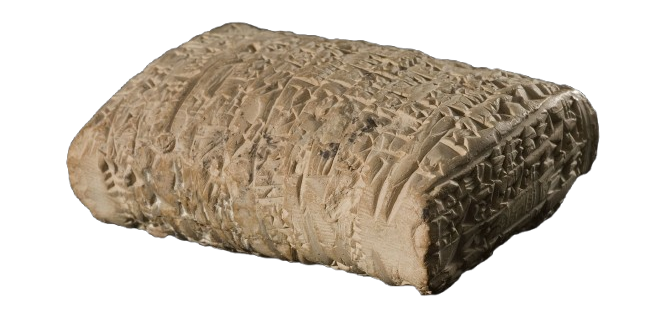
CUNE-IIIF-ORM: Towards an Internationally Image Interoperable Corpus of Cuneiform Tablets. Is a project launched in May 2022 and aims to unravel the secrets of the RMAH collections, with a particular focus on the collection compiled by ancient curator Louis Speleers. The Old Babylonian cuneiform tablets from his collection are central to this project. A total of 67 cuneiform tablets will be examined by an interdisciplinary team of assyriologists, museum curators, digitization specialists, and computer scientists. The partners come from KU Leuven with its Libraries’ Digitization and Document Delivery department and Imaging Lab and Ghent University where following research groups work in the project (Assyriology, Ghent Centre for Digital Humanities, LT3, and the Faculty Library of Arts and Philosophy).
In order to succeed in this project, methodologies from different disciplines are being combined. The aim is not only to understand the RMAH’s cuneiform tablets, but also to develop a model that allows information to be distilled for research in a verified, more accessible way. Within this project, three scientific studies are being formed, each revealing a piece of the puzzle. See down below for more info around the studies.
Research
IIIF
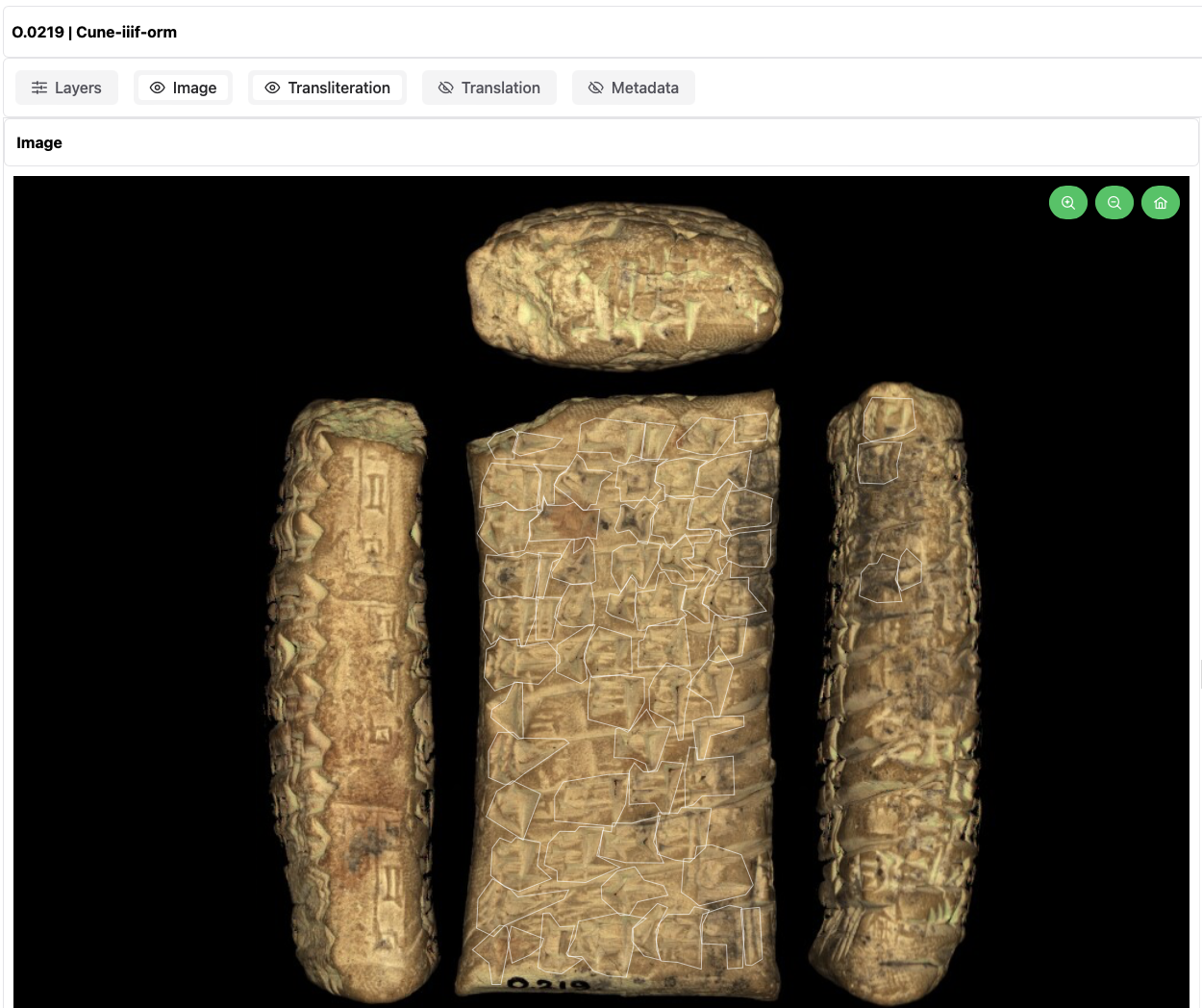
CUNE-IIIF-ORM aims to digitally reunite lost tablets, reconstructing archives that were once linked by individuals, institutions, or shared subjects. By bringing these fragments together, the project reveals the hidden narratives behind seemingly mundane administrative documents, offering scholars seamless, high-quality digital access for research. With IIIF integration, curators can present collections in innovative ways, incorporating annotations and links to open datasets.
OCR
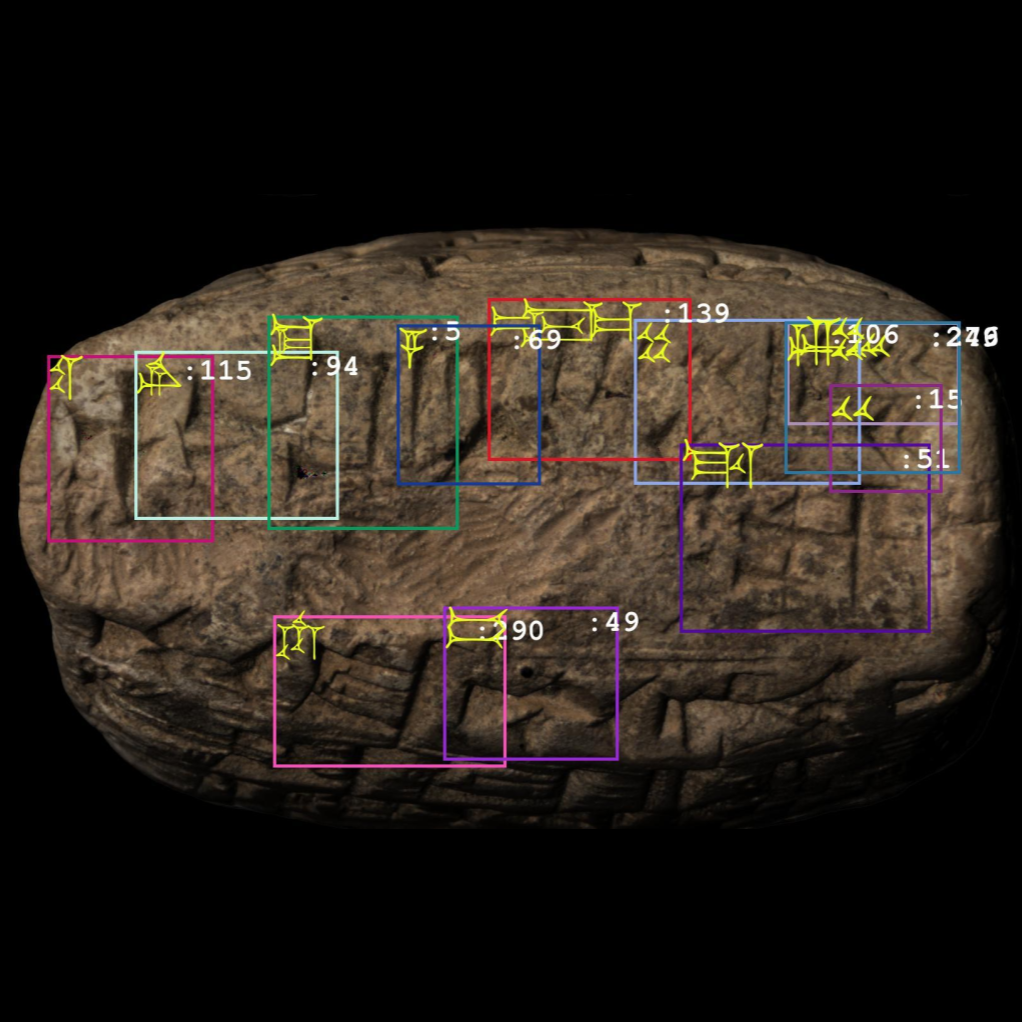
Cuneiform OCR (Optical Character Recognition) is an emerging technology designed to automate the reading and transcription of ancient cuneiform script. By leveraging machine learning and image processing, it helps scholars decode and analyze inscriptions more efficiently, reducing the time-consuming manual effort traditionally required. This innovation paves the way for large-scale digitization, improving access to cuneiform texts for researchers, historians, and the public.
NLP
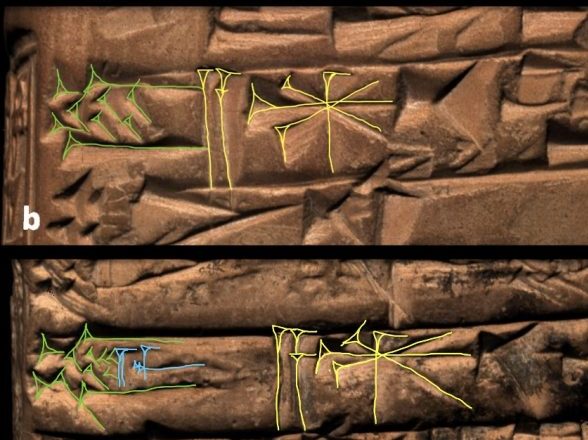
Cuneiform NLP (Natural Language Processing) applies advanced computational techniques to analyze, translate, and interpret ancient cuneiform texts. By leveraging machine learning, linguistic models, and vast digital corpora, it helps uncover grammatical patterns, semantic relationships, and historical context with respect to that time period. This technology enables automated translation, entity recognition, and text reconstruction, significantly accelerating research in Assyriology.
 cune-iiif-orm